
You recruit them. You train them. You mentor them. You put them on your best client accounts. Then the client hires them away — and you get nothing.
This isn’t a hypothetical. It happens constantly in professional services, staffing, consulting, and tech. And most companies quietly absorb the loss because they assume there’s nothing they can do.
There is. But it starts with what’s in your contract before the hire happens.
Why Non-Solicits Don’t Cut It
The instinct is to reach for a non-solicitation clause. Reasonable instinct, wrong tool. Non-solicits have several real limitations:
- Enforcement is notoriously difficult — courts rarely enjoin hiring
- In jurisdictions like California, non-solicits are essentially unenforceable
- Litigation is expensive, slow, and damages the client relationship in the process
- Even a successful case often recovers less than the cost of bringing it
By the time you’re in litigation, you’ve already lost the employee, you may have lost the client, and you’re spending legal fees on the privilege.
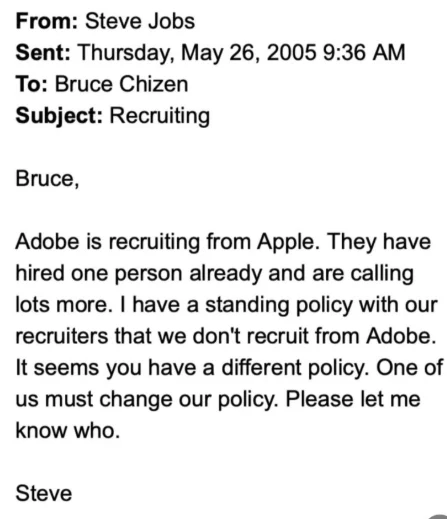
The Cost of Inaction
Without any contractual protection, you lose the employee, potentially lose the client relationship with them, and have no legal recourse that doesn’t cost more than it recovers.
For context: Meta reportedly offers multimillion-dollar packages to AI researchers to move them from competitors. The talent market for skilled people is competitive in every industry. Clients know this. Some of them plan for it.
The Solution: Recruitment Fee Clauses
Rather than trying to restrict behaviour (which courts resist), embed a financial consequence directly into the contract. A recruitment fee clause doesn’t prevent the client from hiring your employee — it just requires them to pay you if they do.
This approach:
- Recovers your training and development costs when a client hires your people
- Doesn’t require you to prove malicious intent or restraint of trade
- Preserves the client relationship — it’s a disclosed commercial term, not a lawsuit
- Actually gets paid, because the client already agreed to the terms
A client success story: a company with a recruitment fee clause in their contract received compensation when a customer hired their star employee — allowing them to retain both the revenue and the client relationship.
The clause has to be drafted correctly — the trigger, the amount, and the calculation method all matter. But the concept is straightforward: if you hire from us, you pay us. Agreed in advance. No drama required.
Contracts are where you lock in your protections before you need them. Non-solicits give you a false sense of security. Recruitment fee clauses give you actual recourse.